Is Matcha Gluten Free? What Every Gluten-Sensitive Tea Lover Should Know
Choosing what you drink becomes more important when gluten sensitivity shapes everyday habits. From café orders to calm morning routines at home, people want clarity before sipping anything unfamiliar. Matcha often enters that conversation because it looks simple, yet its origin and processing feel mysterious.
As green powders and wellness drinks grow in popularity, many readers pause to ask a practical question that affects real health choices. Understanding is matcha gluten free helps you feel confident, whether you enjoy it as a latte, tea, or blended into recipes you share with family.
Matcha comes from finely ground tea leaves, but confusion can arise from cross-contact, flavor blends, or café preparation methods. Those details matter to anyone managing celiac disease or choosing a gluten-free lifestyle with intention and care.
Learning how matcha is grown, processed, and served gives you peace of mind. With the right information, you can enjoy its earthy taste and calming energy without second-guessing what goes into your cup.
Matcha Ingredients And Natural Gluten Status
Understanding what goes into your daily cup matters, especially when gluten awareness plays a role in food choices. Matcha is often praised for its purity, but questions still arise about how natural it really is. Looking closely at matcha ingredients and how they relate to gluten helps you make informed decisions without confusion or unnecessary worry.
Pure Matcha Powder And Its Single-Ingredient Nature
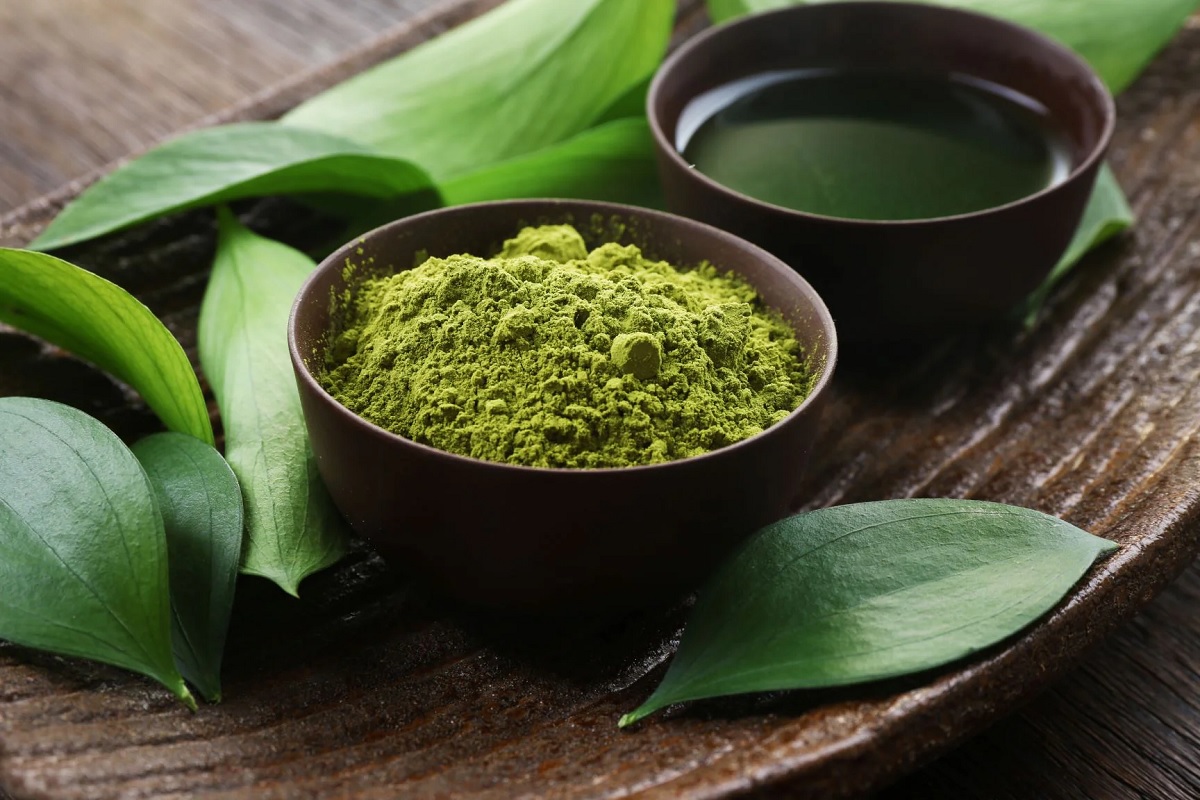
Traditional matcha is made from one simple ingredient: shade-grown green tea leaves that are dried and finely stone-ground into powder. There are no added grains, flours, or fillers involved in authentic matcha production. Because gluten is found only in specific grains like wheat, barley, and rye, pure matcha powder is naturally free from gluten at its source.
The tea plants used for matcha belong to the Camellia sinensis family, which has no biological connection to gluten-containing crops. Farmers focus on cultivation techniques such as shading, careful harvesting, and slow grinding to preserve nutrients and flavor rather than altering the ingredient itself. This keeps matcha clean and plant-based by nature.
Problems usually arise when people assume all green powders labeled as matcha follow the same standard. Lower-quality products may blend matcha with sweeteners, milk solids, or flavoring agents. These additions can change the gluten status, even when the label still highlights matcha as the main ingredient.
Reading ingredient lists becomes essential when choosing matcha products. Ceremonial and culinary-grade matcha that list only green tea powder maintain their natural gluten-free state. Understanding this single-ingredient foundation helps you separate pure matcha from processed blends that may not align with gluten-free needs.
How Growing And Processing Methods Affect Gluten Safety
Matcha farming itself does not introduce gluten, but the journey from tea field to packaging facility can influence its safety. Tea leaves are grown in soil, harvested by hand or machine, and processed without the use of grains. However, shared equipment in processing plants may handle other products that contain gluten.
Grinding facilities sometimes process different powdered foods, including wheatgrass or barley grass powders. When equipment is shared and not properly cleaned, cross-contact becomes possible. This does not change matcha’s natural composition, but it can affect people with high gluten sensitivity or celiac disease.
Packaging also plays a role in gluten awareness. Some manufacturers prioritize allergen-free facilities, while others operate mixed-production environments. Brands that test their products and label them as gluten-free provide extra reassurance for those who need strict dietary control.
Understanding processing transparency helps you make safer choices. Matcha that is sourced from dedicated tea facilities with clear allergen practices maintains its natural gluten-free status more reliably. This awareness allows you to enjoy matcha with confidence while staying aligned with your health priorities.
Matcha Blends, Flavored Products, And Hidden Gluten Risks
While pure matcha contains no gluten, matcha-based products tell a different story. Matcha latte mixes, instant powders, and flavored drink blends often include additional ingredients. These can range from powdered milk and sugar to thickeners and stabilizers that may contain gluten.
Some flavored matcha products use malt-based sweeteners or barley-derived ingredients to enhance taste and texture. These additives are not always obvious at first glance, making label reading a necessary habit. Even small amounts of gluten can matter for individuals with sensitivities.
Café-style matcha drinks also raise concerns beyond the powder itself. Shared scoops, steam wands, and preparation surfaces can introduce gluten through cross-contact. Oat milk, syrups, and baked goods prepared in the same space can affect the final drink without altering the matcha powder directly.
Choosing plain matcha and controlling preparation at home reduces these risks. By understanding how blended products differ from pure powder, you protect the natural gluten-free integrity of matcha while still enjoying its versatility in drinks and recipes.
Understanding Certification And Labeling For Gluten Awareness
Gluten-free certification adds another layer of clarity when selecting matcha products. Certification means the product has been tested and meets strict gluten thresholds set by regulatory standards. While pure matcha does not require certification to be gluten-free by nature, certified labeling offers peace of mind.
Some brands voluntarily test their matcha to confirm the absence of gluten contamination. This practice is especially helpful for people with celiac disease who need consistent reassurance. Certification also reflects a manufacturer’s commitment to allergen control and transparency.
It is important to understand that lack of certification does not automatically mean matcha contains gluten. Many high-quality Japanese matcha powders are naturally gluten-free but not certified due to testing costs or export limitations. Knowing the difference helps avoid unnecessary fear.
Looking for clear labeling, ingredient transparency, and brand communication builds trust over time. With the right knowledge, you can evaluate matcha products confidently and maintain a gluten-aware lifestyle without sacrificing quality or enjoyment.
Cross-Contamination Risks
Cross-contamination risks matter greatly for anyone avoiding gluten, even when a product is naturally gluten free. Matcha itself contains no gluten, yet exposure can happen during handling, processing, or preparation. Understanding where these risks appear helps you make safer choices and maintain confidence when enjoying matcha at home or ordering it elsewhere.
Processing Facilities And Shared Equipment
One of the most common sources of cross-contamination risks begins in processing facilities. While matcha is made solely from green tea leaves, many manufacturers operate in plants that handle multiple powdered products. Wheatgrass, barley grass, flavored drink mixes, or baking ingredients may be processed on the same equipment used for matcha.
Shared grinders, sifters, and packaging machines can carry trace amounts of gluten if proper cleaning protocols are not followed. Even microscopic residue can be enough to affect individuals with celiac disease or severe gluten sensitivity. This does not change the natural composition of matcha, but it does influence its safety after processing.
Some brands reduce these risks by using dedicated facilities or strict allergen control systems. Others may disclose potential cross-contact on labels or websites. Understanding these practices allows you to assess risk levels more accurately instead of assuming all matcha products are processed the same way.
Choosing brands that openly discuss their manufacturing environment gives you better control. Transparency, third-party testing, and clear labeling help reduce uncertainty and protect the naturally gluten-free nature of matcha from unwanted exposure.
Storage, Packaging, And Supply Chain Handling
Cross-contamination risks can also appear after matcha leaves the processing facility. Storage warehouses and transportation systems often handle a wide range of food products, including gluten-containing goods. When items are stored or shipped together, accidental exposure becomes possible.
Loose packaging, damaged seals, or shared storage bins increase the chance of contamination. Bulk matcha sold in open containers or scooped from shared bins presents higher risk than sealed, single-ingredient products. These factors matter, especially for people who rely on strict gluten avoidance.
Retail environments may also contribute to cross-contact. Health food stores that sell matcha alongside flours, grains, or baking mixes can unintentionally expose products through airborne particles or shared scoops. While the risk may be low, it is not nonexistent.
Paying attention to packaging quality and storage conditions helps minimize exposure. Sealed tins, individually packaged matcha, and trusted suppliers reduce cross-contamination risks and preserve the product’s integrity from factory to cup.
Café Preparation And At-Home Handling Practices
Cafés introduce a different set of cross-contamination risks related to preparation methods. Matcha drinks are often made in shared spaces with pastries, sandwiches, and oat-based beverages. Scoops, blenders, steam wands, and countertops may come into contact with gluten-containing items throughout the day.
Even when the matcha powder is gluten free, preparation tools can transfer residue into the final drink. Milk alternatives, flavored syrups, and toppings may also contain hidden gluten or be handled with shared utensils. These small details matter for sensitive individuals.
At home, cross-contamination can happen through shared kitchen tools. Using the same measuring spoons, blenders, or cutting boards for gluten and gluten-free foods increases risk. Improper storage near flour or bread crumbs can also affect matcha powder over time.
Simple habits reduce these risks. Dedicated utensils, clean preparation surfaces, and mindful storage help maintain the natural gluten-free quality of matcha, whether you prepare it yourself or choose where to order it carefully.
Matcha Products That May Contain Gluten
Not all matcha products are created equal, especially when it comes to gluten awareness. While pure matcha powder is naturally gluten free, many commercial products combine matcha with other ingredients. These additions can introduce gluten in ways that are not always obvious. Understanding which matcha products may contain gluten helps you avoid accidental exposure and choose options that align with your dietary needs.
Matcha Latte Mixes And Instant Drink Powders
Matcha latte mixes are one of the most common matcha products that may contain gluten. These blends are designed for convenience and flavor, often combining matcha powder with sugar, powdered milk, creamers, and stabilizing agents. Some manufacturers use malt-based sweeteners or barley-derived ingredients to enhance taste and texture, which introduces gluten into the product.
Instant drink powders may also include thickeners or anti-caking agents that are not gluten free. Even when gluten-containing ingredients are used in small amounts, they can still affect individuals with celiac disease or gluten sensitivity. Labels may highlight matcha on the front while listing these additives in smaller print, making careful reading essential.
Another concern is cross-contamination during manufacturing. Many instant mixes are produced in facilities that handle wheat-based products, increasing the risk even when gluten is not intentionally added. Without clear allergen statements, it becomes harder to assess safety.
Choosing plain matcha powder over pre-mixed drinks gives you more control. When convenience products are necessary, looking for certified gluten-free labeling and transparent ingredient lists helps reduce uncertainty and protect your health.
Flavored Matcha Snacks And Baked Goods
Matcha-flavored snacks and baked goods often contain gluten as part of their base ingredients. Cookies, cakes, biscuits, and pastries rely heavily on wheat flour, making them unsuitable for gluten-free diets regardless of the matcha used for flavoring. In these products, matcha acts only as a color and taste enhancer rather than the primary ingredient.
Packaged snacks such as matcha wafers, crackers, and snack bars may also include barley malt, wheat flour, or oat-based components. Even when labeled as natural or healthy, these items frequently rely on gluten-containing grains for structure and texture.
Cross-contamination risks are also higher in bakeries and snack production facilities. Shared ovens, mixers, and work surfaces increase exposure, especially when gluten-free versions are not produced in dedicated spaces. This makes it difficult to trust products without clear gluten-free certification.
For those avoiding gluten, homemade alternatives offer better control. Using gluten-free flours and pure matcha powder allows you to enjoy matcha-flavored treats without the risks commonly found in commercial snacks and baked goods.
Matcha Ice Creams, Desserts, And Dairy Products
Matcha ice creams and desserts can also contain hidden sources of gluten. While dairy itself is gluten free, many frozen desserts use stabilizers, cookie pieces, or flavoring syrups that include gluten. Matcha ice cream may contain biscuit crumbs, cake bits, or malt-based flavor enhancers that are not immediately noticeable.
Pre-packaged desserts such as matcha puddings, custards, and mousse cups may rely on thickening agents derived from wheat. Even when gluten is not intentionally added, manufacturing environments that handle multiple dessert varieties can introduce cross-contact.
Restaurant and café desserts present additional challenges. Matcha parfaits, cheesecakes, and layered desserts often include sponge cake or crumble layers. The matcha component may be safe on its own, but the final dish is not suitable for gluten-free diets.
Understanding dessert ingredients and preparation methods helps avoid confusion. Asking questions, reading labels, and choosing simple matcha-based desserts with minimal ingredients reduce the likelihood of gluten exposure while still allowing enjoyment of matcha flavors.
Ready-To-Drink Matcha Beverages And Café Offerings
Ready-to-drink matcha beverages and café-style drinks are popular but often overlooked sources of gluten. Bottled matcha lattes may contain flavorings, stabilizers, or sweeteners derived from barley or wheat. These ingredients help extend shelf life and improve mouthfeel but compromise gluten safety.
Café offerings add another layer of complexity. Matcha drinks are frequently prepared in shared spaces alongside baked goods and gluten-containing beverages. Oat milk, flavored syrups, and toppings may contain gluten or be handled with shared utensils, increasing cross-contamination risks.
Seasonal or specialty matcha drinks are especially risky because they often include cookie crumbs, cereal toppings, or malt-based syrups. Even when the matcha powder itself is pure, the final drink may not be gluten free.
Choosing plain matcha prepared with simple ingredients lowers risk. When buying bottled beverages, selecting products with clear gluten-free labeling and short ingredient lists helps ensure that matcha remains a safe and enjoyable choice.
How To Choose Gluten Free Matcha Safely
Selecting matcha becomes more intentional when gluten avoidance is part of daily life. Even though matcha is naturally gluten free, not every product on the shelf offers the same level of safety. Learning how to choose gluten free matcha safely helps you avoid cross-contamination, reduce uncertainty, and enjoy matcha with confidence in both home and café settings.
Read Ingredient Labels With Care And Consistency
The first step in choosing gluten free matcha safely is developing a habit of reading ingredient labels closely. Pure matcha should list only one ingredient, green tea powder. Any additional components such as flavorings, sweeteners, creamers, or stabilizers increase the risk of gluten presence, especially in blended or instant products.
Pay attention to less obvious terms that may indicate gluten, including malt extract, barley derivatives, or wheat-based thickeners. Even natural or plant-based claims do not guarantee gluten-free status. Ingredient lists often reveal more than front-label marketing statements.
Consistency matters because formulations can change over time. A product that was once safe may add new ingredients without drawing attention to the change. Regularly checking labels protects you from unexpected exposure.
Choosing brands that clearly disclose all ingredients builds trust. Transparent labeling supports informed decisions and helps maintain confidence when incorporating matcha into a gluten-aware lifestyle.
Look For Gluten Free Certification And Brand Transparency
Gluten free certification provides an added layer of reassurance when choosing matcha products. Certified products have been tested to meet strict gluten thresholds, making them suitable for people with celiac disease or severe sensitivity. While certification is not required for naturally gluten free foods, it reduces uncertainty.
Brand transparency plays an equally important role. Companies that openly share information about sourcing, processing, and testing demonstrate commitment to consumer safety. Statements about dedicated facilities or allergen control systems help you assess cross-contamination risks more accurately.
Not all high-quality matcha brands pursue certification due to cost or export limitations. In these cases, clear communication and detailed product descriptions become essential. Brands that respond to customer inquiries and provide testing information offer valuable peace of mind.
Choosing matcha from trustworthy sources supports long-term confidence. Transparency allows you to focus on enjoyment rather than constant concern about gluten exposure.
Choose Single-Ingredient Matcha Over Blends And Mixes
Single-ingredient matcha powders offer the safest option for gluten avoidance. These products contain only finely ground green tea leaves without added sweeteners or fillers. By starting with pure matcha, you maintain control over what goes into your drink or recipe.
Blends and mixes introduce unnecessary risk. Matcha latte powders, flavored drink mixes, and instant sachets often contain ingredients that may include gluten or be processed in shared facilities. Even small additions can compromise safety for sensitive individuals.
Preparing matcha at home using pure powder allows you to select gluten free milk alternatives, sweeteners, and flavorings. This approach minimizes reliance on processed products with unclear ingredient sourcing.
Simplicity supports safety. Choosing plain matcha and building your drink from scratch helps preserve its natural gluten free status and aligns with a mindful, health-conscious routine.
Buy From Reputable Sources And Store Matcha Properly
Where you buy matcha matters as much as what you buy. Reputable suppliers prioritize quality control, proper storage, and clear communication about allergens. Specialty tea shops and trusted online retailers often provide more detailed product information than general marketplaces.
Packaging also affects safety. Sealed tins or pouches protect matcha from exposure during storage and transportation. Avoid bulk bins or open containers, which increase the risk of cross-contamination from nearby products.
Proper storage at home helps maintain matcha’s integrity. Keep it away from flour, bread, and other gluten-containing items. Use clean, dedicated utensils to avoid accidental contact during preparation.
Choosing reliable sources and handling matcha with care ensures that its naturally gluten free qualities remain intact, allowing you to enjoy each cup with confidence and peace of
FAQs
Is Matcha Gluten Free By Nature?
Yes, matcha is naturally gluten free because it is made only from finely ground green tea leaves. Gluten is found in grains like wheat, barley, and rye, none of which are involved in traditional matcha cultivation or production. From a botanical standpoint, matcha does not contain gluten at all.
However, natural does not always mean risk-free for you. Cross-contamination during processing or packaging can occur. Choosing pure, single-ingredient matcha from reputable brands helps you enjoy matcha while staying aligned with a gluten-free lifestyle.
Can Matcha Cause Issues For People With Celiac Disease?
Matcha itself does not trigger celiac disease because it contains no gluten protein. When you consume pure matcha powder, it should not cause a reaction related to gluten intolerance or celiac disease.
The concern for you comes from contamination rather than the tea itself. Shared processing equipment, blended products, or café preparation methods can introduce trace gluten. If you have celiac disease, selecting certified gluten-free matcha and preparing it at home gives you greater peace of mind and better control.
Is Matcha Latte Gluten Free When Ordered At Cafés?
A matcha latte is not always gluten free, especially when ordered at cafés. While the matcha powder may be safe, other ingredients like flavored syrups, oat milk, or toppings can contain gluten or be cross-contaminated.
Preparation methods matter for you as well. Shared steam wands, blenders, and scoops may come into contact with gluten-containing foods. Asking questions, choosing simple ingredients, or requesting clean equipment can help reduce risk, but complete safety is not always guaranteed outside your home.
Are Matcha Powder Brands Always Gluten Free?
Not all matcha powder brands are guaranteed gluten free, even though matcha itself is naturally free of gluten. Some brands process matcha in facilities that also handle wheat or barley-based products.
For you, this means label reading is essential. Look for products that list only green tea powder and include gluten-free statements or certification. Reputable brands often provide transparency about sourcing and manufacturing, helping you make informed decisions and avoid accidental exposure through contaminated products.
Does Flavored Or Instant Matcha Contain Gluten?
Flavored or instant matcha products may contain gluten, depending on added ingredients. Many mixes include sweeteners, creamers, thickeners, or flavoring agents that can be derived from wheat or barley.
If you rely on convenience products, you should always check ingredient lists carefully. Front labels may emphasize matcha, but gluten-related ingredients are often hidden in small print. Choosing plain matcha powder and adding your own gluten-free ingredients gives you greater confidence and control.
How Can You Make Sure Your Matcha Is Gluten Free?
To ensure your matcha is gluten free, start by choosing single-ingredient matcha powder from trusted brands. Look for gluten-free certification or clear allergen information that confirms testing and safe processing.
You should also consider how matcha is stored and prepared. Use clean, dedicated utensils at home and store matcha away from flour or bread. These habits help preserve matcha’s natural gluten-free quality and allow you to enjoy it without unnecessary worry.
Final Thoughts
Choosing the right tea matters when gluten sensitivity or celiac concerns are involved, and understanding what goes into your cup can bring real peace of mind. Pure matcha made only from finely ground green tea leaves is naturally free from gluten, making it a simple and clean option for many health-focused routines. Still, quality and sourcing always play an important role in overall safety.
For anyone asking is matcha gluten free, the answer largely depends on how the product is processed and packaged. Cross-contamination and added flavorings can introduce unwanted gluten, so reading labels and looking for certified gluten free options is essential. Preparing matcha at home using trusted brands offers greater control.
In daily use, matcha can fit comfortably into a gluten free lifestyle when chosen carefully. With mindful selection and proper handling, the question is matcha gluten free becomes less of a concern and more of a confident yes.